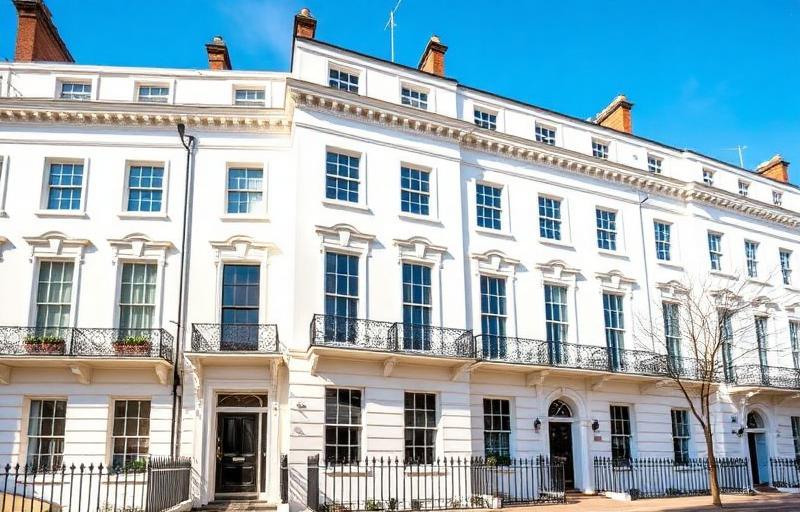
The allure of a Victorian property in London is undeniable. From the ornate cornicing of a Chelsea townhouse to the red-brick charm of a villa in Greenwich, these historical gems represent the architectural soul of the city. However, for many homeowners in Central and South London, these properties come with a persistent, subterranean challenge: the damp Victorian basement. Originally designed as coal cellars or utility spaces for servants, these lower levels were never intended to be dry, habitable living rooms. They were built using porous lime mortar and solid brickwork, designed to "breathe" rather than to repel the high water table common in the Thames Basin.
In modern London, where square footage is at a premium, converting these damp voids into luxury cinemas, home offices, or guest suites is a savvy investment. Yet, the high stakes of London’s property market—particularly in prestigious postcodes like Mayfair and Knightsbridge—mean that a "quick fix" for damp is never enough. To protect the structural integrity of your home and the health of its inhabitants, damp proofing a Victorian basement requires a sophisticated, professional approach that respects the building’s heritage while employing modern engineering.
At coreMaint, we understand the unique geological and architectural challenges of the capital. Whether you are dealing with lateral damp penetration in a Kensington terrace or rising damp near the river in Greenwich, this guide will walk you through the complexities of Victorian basement waterproofing and how to achieve a bone-dry finish that lasts a lifetime.
The Science of Damp in London’s Victorian Basements
Before picking up a trowel, it is vital to understand why Victorian basements are prone to moisture. Unlike modern builds, which use physical DPCs (Damp Proof Courses) and plastic membranes, Victorian houses relied on the ability of the building to evaporate moisture naturally.
Hydrostatic Pressure: The Hidden Enemy
In low-lying areas of Central London, hydrostatic pressure is the primary cause of basement flooding and damp. This occurs when groundwater levels rise—often after heavy London rainfall—and press against the foundation walls. Because Victorian bricks are porous, this water is forced through the masonry and into your home. This is often why you might see "salting" or efflorescence on your basement walls.
Capillary Action and Rising Damp
Rising damp occurs when ground moisture travels upwards through the pores of the bricks, much like water through a sponge. In many South London properties, the original slate or bitumen damp courses have degraded over 150 years, allowing moisture to reach the ground floor and beyond.
Lack of Ventilation
Victorian basements were usually vented via small coal chutes or timber-framed windows. When these are sealed up during modern renovations without installing mechanical ventilation, the "stale" air traps humidity, leading to condensation and black mould (Aspergillus).
Choosing the Right Waterproofing Method
When it comes to Victorian properties, there is no "one size fits all" solution. At coreMaint, we typically evaluate two primary methods: Type A (Barrier Protection) and Type C (Drained Protection).
Type A: Tanking (The Traditional Barrier)
"Tanking" involves applying a waterproof slurry or render directly to the internal walls. This creates an impermeable barrier. While common, tanking can sometimes fail in London’s Victorian terraces because the hydrostatic pressure becomes so great that it eventually pushes the render off the wall.
- Best for: Minor damp issues where groundwater pressure is low.
- Risk: If the substrate moves (as many old London buildings do), the tanking can crack.
Type C: Cavity Drain Membrane Systems (The Gold Standard)
For high-end renovations in Kensington and Mayfair, we almost exclusively recommend Type C systems. Instead of trying to "block" the water, this system manages it.
- Membrane Installation: A studded plastic membrane is fixed to the walls and floors.
- The Cavity: Water is allowed to permeate the brickwork but is trapped behind the membrane in a controlled "cavity."
- Drainage Channels: The water flows down the studs into perimeter channels.
- Sump and Pump: The water is directed to a sump pump, which automatically discharges it into the London sewer system.
Get a Free Quote for a Type C system installation today.
Practical Steps to a Dry Victorian Basement
Successfully damp proofing a period property requires a meticulous, multi-stage process. Here is how coreMaint approaches a typical London project:
1. Structural Survey and Preparation
Before any waterproofing begins, the masonry must be inspected. In many Greenwich and Chelsea homes, decades of "patchwork" repairs must be stripped back. We remove old, blown plaster and salt-contaminated bricks to ensure a clean, stable surface.
2. Managing External Factors
While internal work is crucial, we always look at the exterior. Are the gutters in Mayfair overflowing? Is the pavement outside your Knightsbridge home sloping toward the foundation?
- Tip: Fixing a leaking downpipe can sometimes reduce basement moisture levels by up to 30%.
3. Humidity and Climate Control
A dry basement isn't just about stopping liquid water; it’s about controlling the air. Victorian basements are naturally cool, which can cause warm air from the rest of the house to condense on the walls.
- Mechanical Ventilation with Heat Recovery (MVHR): We recommend these systems to ensure a constant flow of fresh, filtered air without losing heat.
- Underfloor Heating: This is an excellent way to keep the basement floor above the "dew point," preventing condensation.
Why Quality Matters: The Risks of Poor Damp Proofing
London’s property market is highly regulated. If you plan to sell your home in the future, a "DIY" damp-proofing job can be a major red flag during a survey.
- Property Value: In Central London, a documented, guaranteed waterproofing system can add significantly to your property's valuation.
- Structural Integrity: Constant dampness can lead to wet rot or dry rot in floor joists. Dry rot (Serpula lacrymans) is particularly aggressive and can spread through masonry, costing tens of thousands of pounds to remediate.
- Health Concerns: According to the World Health Organization, damp and mouldy environments are linked to an increased risk of respiratory infections and asthma. Protecting your basement is an investment in your family's health.
Maintaining Your Basement Post-Renovation
Once your Victorian basement is transformed, maintenance is key to ensuring its longevity.
- Annual Pump Servicing: If you have a Type C system, your sump pump is the heart of your basement. It should be serviced annually to ensure it hasn't become clogged with silt or limescale.
- Monitor Humidity: Keep an eye on humidity levels; ideally, a habitable basement should stay between 45% and 55% humidity.
- Keep Vents Clear: Ensure that any external air bricks are not covered by landscaping or garden furniture.
Partner with coreMaint for Your London Property
Damp proofing a Victorian basement is not just a construction task; it is an act of preservation. At coreMaint, we combine traditional craftsmanship with cutting-edge waterproofing technology to serve the most discerning homeowners in Chelsea, Greenwich, and beyond.
Our team of specialists understands the nuances of Central London’s architecture. We provide comprehensive solutions that include everything from initial damp surveys to the final high-end fit-out. We don't just fix the symptoms of damp; we engineer solutions that protect your luxury living space for decades to come.
Don't let a damp cellar hold back the potential of your London home. Whether you are in the early stages of planning a renovation or are dealing with an urgent damp issue in Mayfair, our team is here to help.
Contact Us today to schedule a professional consultation, or Get a Free Quote to begin your journey toward a dry, healthy, and beautiful Victorian basement.