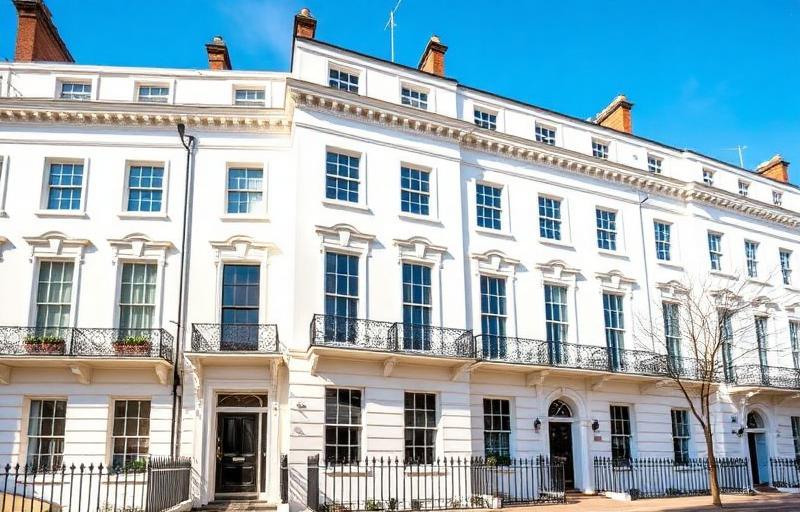
In the heart of London’s most prestigious postcodes—from the historic townhouses of Chelsea to the opulent residences of Mayfair—space is the ultimate luxury. For many property owners in Kensington and Knightsbridge, the basement has evolved from a humble storage area into a high-specification living space, cinema room, or private gym. However, the subterranean nature of these rooms, combined with London’s specific geological makeup and Victorian architectural heritage, creates a unique set of challenges regarding moisture.
Damp and mould are more than mere aesthetic nuisances; in a premium property, they represent a significant threat to building fabric, air quality, and occupant health. The London clay soil is notorious for retaining moisture, which exerts hydrostatic pressure against basement walls. Without a robust prevention strategy, even the most beautifully designed basement can fall victim to the pervasive "musty" smell or the sight of black mould spores.
At coreMaint, we understand that maintaining a luxury property in Central or South London requires a proactive approach. Preventing dampness in London basements isn’t just about treating symptoms; it’s about understanding the synergy between the building’s structure, the local environment, and modern lifestyle demands. This guide provides a comprehensive roadmap to protecting your underground investments from the ground up.
Understanding the Causes of Basement Damp in London
Before implementing solutions, it is essential to understand why London basements are particularly susceptible to dampness. Most properties in areas like Greenwich and Southwark were built during an era when basement waterproofing (tanking) was rudimentary or non-existent.
1. Lateral Damp and Hydrostatic Pressure
The most common cause of basement dampness in Central London is "lateral damp." This occurs when moisture from the surrounding earth permeates through the masonry. London’s heavy clay soil expands when wet, holding water against your foundations. This creates hydrostatic pressure, literally pushing water through microscopic cracks in the brickwork or the joints between the floor and walls.
2. Condensation and Poor Ventilation
Basements naturally have lower ambient temperatures than the floors above. When warm, moist air from a shower, kitchen, or even human breath comes into contact with cool basement walls, it reaches its "dew point" and turns back into liquid water. Without adequate airflow, this moisture sits on the surface, providing the perfect breeding ground for Aspergillus and Stachybotrys chartarum (black mould).
3. Rising Damp
While rarer in modernised basements with functioning membranes, rising damp remains a threat to older properties. Groundwater travels upwards through the capillaries of porous materials like brick and mortar, often leaving "tide marks" and causing salt efflorescence (a white, powdery substance) on the walls.
Practical Strategies for Prevention
Prevention is significantly more cost-effective than remediation. For luxury properties in areas like Knightsbridge or Mayfair, even a minor damp issue can damage bespoke cabinetry, fine art, or high-end electronics.
Professional Waterproofing Systems
If you are renovating or managing a basement, you must ensure your waterproofing (tanking) is up to modern British Standards (BS 8102:2022).
- Type A (Barrier) Protection: Applying a waterproof coating to the internal or external walls.
- Type C (Cavity Drainage) Systems: This is often considered the gold standard for London basements. It involves installing a dimpled membrane that allows water to flow behind it into a hidden perimeter channel, leading to a sump pump that safely ejects the water away from the property.
Managing Internal Humidity
Controlling the internal climate is your first line of defence against mould.
- Invest in Dehumidification: For larger basements, a portable unit may not suffice. Integrated whole-house ventilation systems or high-capacity, plumbed-in dehumidifiers are essential for maintaining humidity levels between 40% and 55%.
- Smart Sensors: Install hygrometers that sync with your smartphone. This allows property managers or owners to monitor moisture levels remotely, especially in secondary residences that may sit empty for periods.
Improving Airflow and Ventilation
London’s terraced architecture often limits natural cross-ventilation.
- Mechanical Ventilation with Heat Recovery (MVHR): These systems provide a constant supply of fresh, filtered air while extracting stale, moist air. They are highly efficient and essential for basement conversions where windows are limited.
- Passive Airflow: Ensure that furniture is not pushed directly against external walls. Leaving a 5-10cm gap allows air to circulate, preventing the "dead zones" where mould thrives.
External Maintenance: The London Context
In many parts of South London and the City, damp problems often start from the outside. Neglecting the exterior of your property can lead to catastrophic moisture ingress in the basement.
Guttering and Downpipes
A single blocked gutter in a Chelsea townhouse can cause hundreds of litres of water to pour directly onto the ground next to your basement wall during a typical London downpour. Ensure your gutters are cleared at least twice a year—once after the autumn leaves have fallen and once in late spring.
Patios and Ground Levels
Over decades, street levels and patio heights in London have risen. If your external patio is higher than your internal floor level or covers the original air bricks, you are inviting moisture. Ensure that ground levels are kept at least 150mm below the Damp Proof Course (DPC) where possible, and check that all drainage gullies are clear of debris.
Inspecting the Building Envelope
Cracks in the external render or pointing can act as channels for rainwater. In historic areas like Kensington, using the correct lime-based mortar is vital. Modern cement-based mortars are often too rigid for Victorian bricks, leading to further cracking and moisture traps.
Identifying Early Warning Signs
The key to preserving the value of your London property is early intervention. Contact Us immediately if you notice any of the following signs in your basement:
- The "Basement Smell": A musty, earthy odour is often the first indicator of mould, even if it isn't visible yet.
- Peeling Paint or Wallpaper: Moisture behind the surface will cause finishes to bubble, flake, or peel away.
- Warped Woodwork: Skirting boards, door frames, or flooring that feels "spongy" or appears warped is a sign of high moisture content.
- Dark Spots: Small clusters of black, green, or grey spots on walls, ceilings, or behind furniture.
- Salt Efflorescence: White, crusty deposits on brickwork or plaster, caused by mineral-rich water evaporating.
The Health and Financial Implications
It is estimated that around 1 in 5 homes in the UK suffer from damp and mould. In the context of premium London real estate, the implications are two-fold:
- Financial Impact: Dampness can significantly devalue a property. During a RICS HomeBuyer Report, evidence of damp can lead to substantial price renegotiations or even the collapse of a sale. Furthermore, damp masonry loses its thermal efficiency, leading to higher energy bills as the building struggles to retain heat.
- Health Hazards: The World Health Organization (WHO) has linked damp and mould to a range of respiratory issues, including asthma, allergies, and weakened immune systems. For families living in South London, ensuring a healthy indoor environment is a non-negotiable priority.
Maintaining Your Basement with coreMaint
London basements are complex environments that require specialist knowledge to maintain. At coreMaint, we provide a bespoke approach to property maintenance that goes beyond the surface. We understand the specific nuances of Chelsea's Victorian plumbing, Kensington's basement excavations, and Mayfair's luxury finishes.
Our preventative maintenance programmes are designed to catch small issues before they become expensive disasters. Whether it’s regular sump pump servicing, gutter clearance, or thermal imaging surveys to detect hidden leaks, we provide the peace of mind that your property is in professional hands.
Our Basement Care Checklist:
- Sump Pump Servicing: Testing and cleaning of mechanical drainage systems.
- Climate Monitoring: Professional assessment of humidity and ventilation effectiveness.
- External Audits: Inspection of masonry, gutters, and drainage gullies.
- Mould Remediation: Safe, professional removal and long-term prevention strategies.
Don’t wait for the first signs of damp to appear. Protecting your London basement requires a commitment to excellence and a proactive maintenance strategy.
Keep your property pristine, healthy, and structurally sound with coreMaint.
Get a Free Quote or Contact Us today to schedule a comprehensive maintenance review of your Central or South London property.